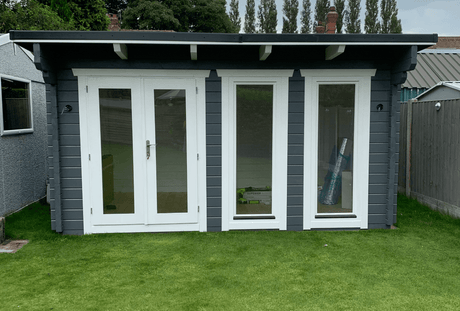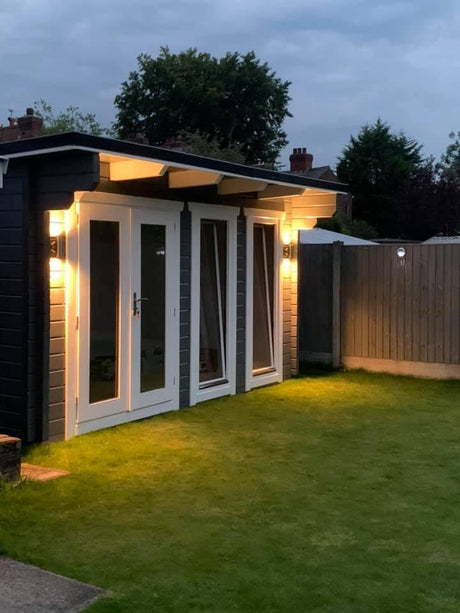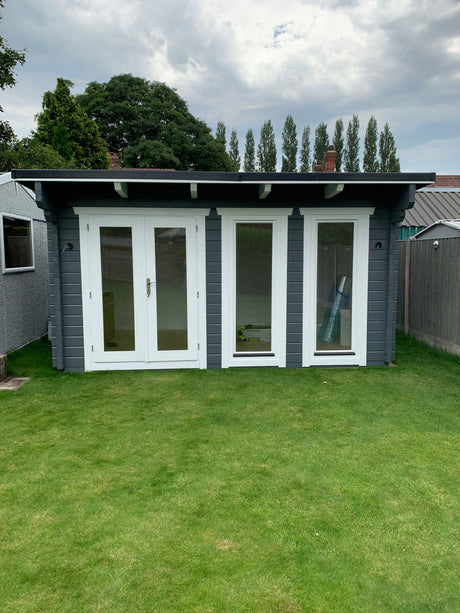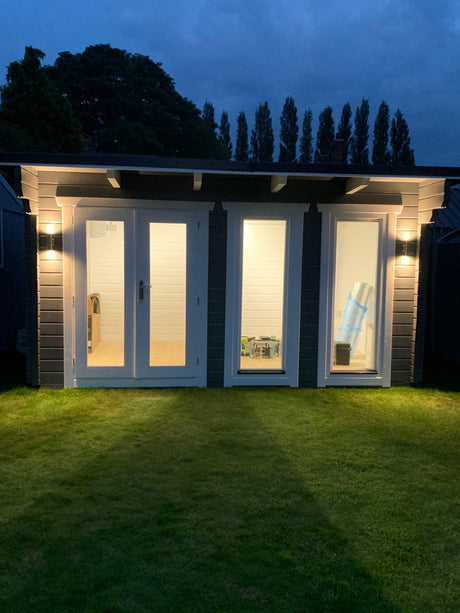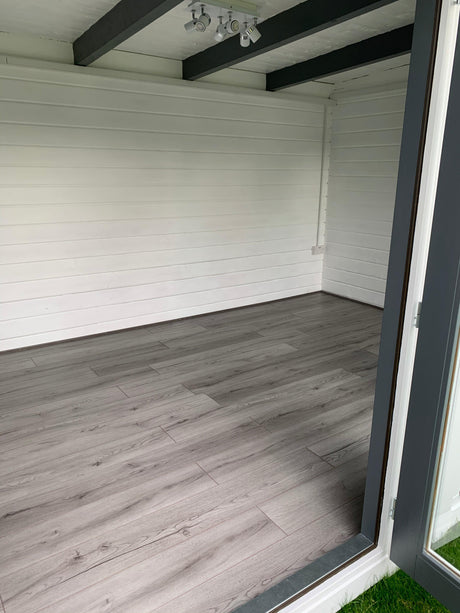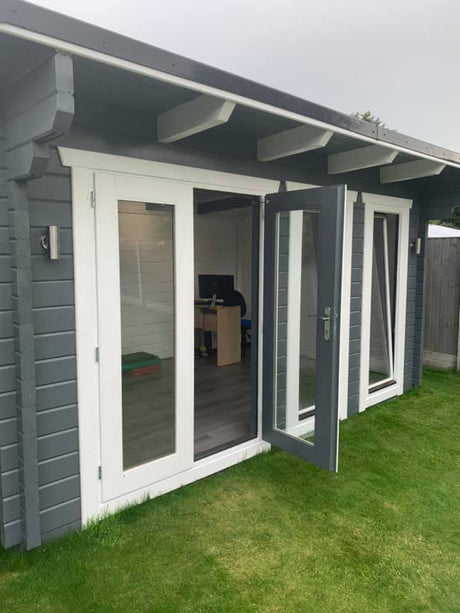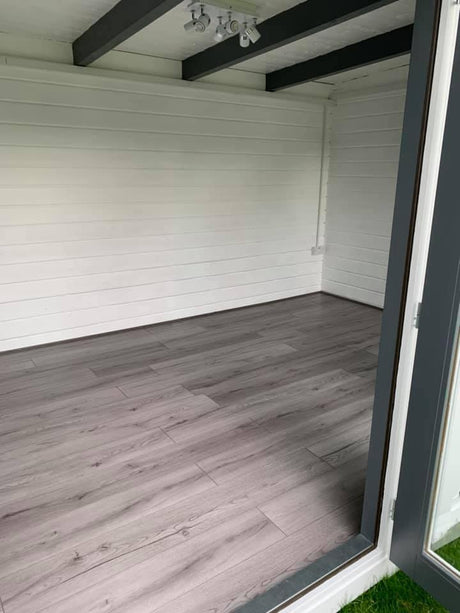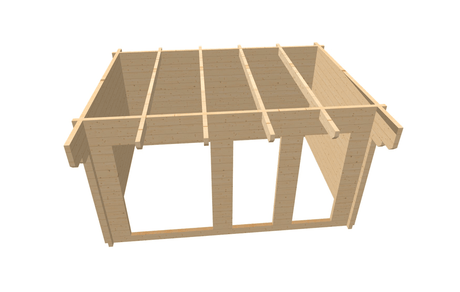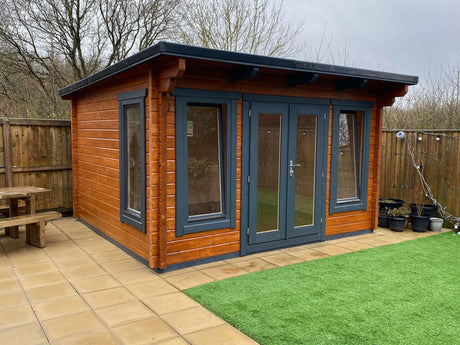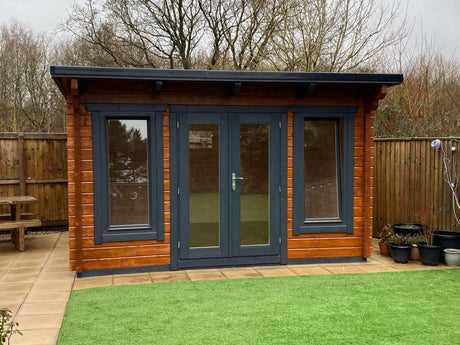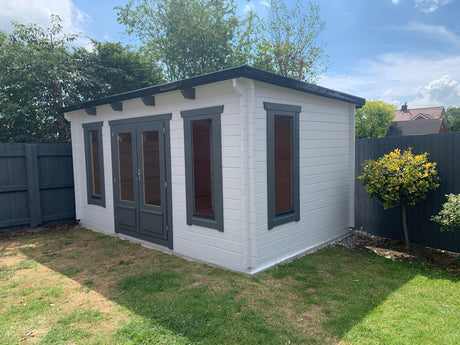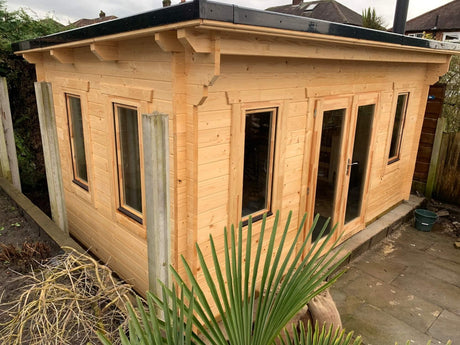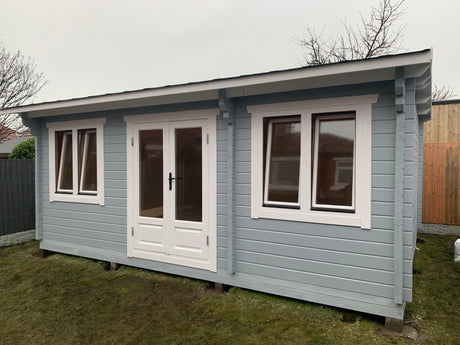

Imagine stepping out into your garden, a steaming cup of tea in hand, relishing the serene surroundings. The gentle rustle of leaves in the soft breeze and the distant hum of bees fill the air as you approach your personal sanctuary: a garden log cabin. Whether you’re setting up a home office, a games room, or simply a retreat to unwind, ensuring your log cabin installation sits on a durable and stable base is crucial for longevity and usability.
Table of Contents
- Table of Contents
- The Importance of a Solid Foundation
- Exploring Different Log Cabin Base Options
- 1. Concrete Slab Base
- 2. Timber Frame Base
- 3. Concrete Pier Base
- Installation Tips for Optimal Results
- Preparing the Ground
- Delivery and Installation Process
- Highlighting Unique Selling Points
- Conclusion
- FAQs
The Importance of a Solid Foundation

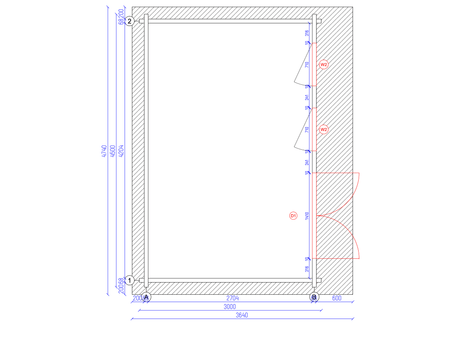
A sturdy base is essential for any log cabin installation. Picture this: you’ve invested in one of the stunning log cabins for sale, perhaps the spacious TBS136 Log Cabin | 14.0x6.0m, which offers ample space for a creative studio or entertainment area. However, without a well-prepared base, you might find your dream cabin slowly settling into uneven ground, creaking under the pressure, and causing unnecessary issues down the line.
A well-laid foundation enhances the durability of garden log cabins and supports their various uses, whether you’re accommodating guests in the warm and welcoming TBS140 Log Cabin Annex or setting up a compact workspace with the TBS164 Log Cabin.
Exploring Different Log Cabin Base Options
1. Concrete Slab Base

One of the most popular bases for log cabins is the concrete slab. This option offers unmatched stability and strength, making it ideal for larger structures like the TBS188 Log Cabin | 8.5x4.5m. Concrete slabs provide a flat, level surface that prevents moisture build-up, thus prolonging the life of your cabin.
Pros:
- Strong and durable
- Provides even support
- Low maintenance
Cons:
- Higher initial cost
- Requires skilled labour
2. Timber Frame Base

For those seeking a more traditional and ecological approach, a timber frame base could be the perfect fit. This method involves constructing a structural frame out of treated timber, raising the cabin slightly off the ground. It’s an excellent choice for smaller cabins like the TBS164 Log Cabin, preserving its natural aesthetic.
Pros:
- Eco-friendly
- Cost-effective
- Allows for ventilation underneath the cabin
Cons:
- May require occasional maintenance
- Not suitable for heavy structures
3. Concrete Pier Base

Another reliable option is the concrete pier base, which involves pouring individual concrete footings for each corner or more support points of the cabin. This method can be beneficial in gardens with uneven terrain, providing a level foundation for cabins like the TBS127 Games Room | 7.0x4.25m.
Pros:
- Suitable for uneven ground
- Allows for airflow and drainage
Cons:
- Not as robust as a full concrete slab
- Installation can be time-consuming
Installation Tips for Optimal Results
Once you’ve decided on the type of foundation that best fits your specific needs, it’s time to focus on the log cabin installation process. Timber Building Specialists provides comprehensive guidance, ensuring your cabin stands the test of time.
Preparing the Ground
Preparation is key. Ensure the site is clear of debris, vegetation, and has excellent drainage properties. The area should be levelled as precisely as possible to avoid complications with installation. This is the perfect moment to measure everything meticulously, ensuring that the foundation accommodates your chosen cabin dimensions precisely.
Delivery and Installation Process
When you purchase from Timber Building Specialists, you’re not just investing in log cabins for sale—you’re choosing quality. From the moment your order is placed at Timber Building Specialists, our delivery and installation teams are committed to ensuring every aspect of your new garden feature is flawless. We coordinate every step of the way, from transporting the cabin to final assembly, focusing on customer satisfaction every inch of the journey.
Highlighting Unique Selling Points
Whether you're selecting from our TBS Premium Log Cabins, such as the TBS136 Log Cabin, or opting for a simple retreat, each structure is designed with meticulous attention to detail. Quality materials, ease of installation, and versatile designs are just some of the reasons homeowners across the UK choose Timber Building Specialists.
Our log cabins cater to a myriad of uses, transitioning effortlessly from artist studios to yoga retreats, games rooms, or garden offices. With log cabin base options well-explored and optimised, it’s easier than ever to envision your perfect garden getaway.
Conclusion

Understanding and choosing the right base for your garden log cabins ensures your investment remains firm, functional, and fabulous for years to come. With proper groundwork, expert advice, and top-tier products from Timber Building Specialists, you can create the ultimate sanctuary in your backyard.
Whether you're beginning your journey with our splendid TBS140 Log Cabin Annex or exploring the flexibility of the larger TBS188 Log Cabin, a stable base will provide the foundation for your dreams to unfold.
Transform your garden and enhance your lifestyle with the perfect log cabins—crafted to endure and inspire.
FAQs
What are the most common types of bases for log cabins?
The most common types of bases for log cabins include concrete slabs, wooden platforms, and gravel foundations. Each type has its benefits, such as durability, ease of installation, and drainage capabilities.
Why is a stable base important for a log cabin?
A stable base is crucial for a log cabin as it prevents the structure from shifting or settling unevenly over time. This stability helps to maintain the cabin's integrity and longevity, ensuring it remains safe and functional.
How do I choose the right base for my log cabin?
Choosing the right base depends on your specific site conditions, the size of your cabin, and the local climate. Consider factors such as soil type, drainage, and your cabin's design to make an informed decision.
Can I place a log cabin directly on the ground?
Placing a log cabin directly on the ground is not recommended as it can lead to moisture problems, pest infestations, and structural issues. A proper base helps elevate the cabin and protect it from these potential hazards.
Is a concrete slab the best option for all log cabins?
While a concrete slab offers excellent stability and durability, it might not be the best option for every log cabin. Factors such as local drainage conditions and the surrounding landscape should be considered when selecting a base.
How much does it cost to build a log cabin base?
The cost of building a log cabin base can vary widely depending on the type of base, materials used, and local labour rates. Generally, a concrete slab may be more expensive than a wooden platform or gravel base due to material and preparation costs.
Do I need planning permission for a log cabin base?
In many cases, you may need planning permission for a log cabin base, especially if it is larger than a certain size or if you are in a conservation area. It’s advisable to check with your local council before commencing any construction.
How can I ensure proper drainage for my log cabin base?
To ensure proper drainage, consider constructing your base with a slight slope away from the cabin and adding drainage channels or gravel around the perimeter. This helps prevent water from pooling and protects the cabin from moisture damage.
Can I convert an existing base for a new log cabin?
Yes, you can convert an existing base for a new log cabin as long as it is stable and meets the requirements for supporting the new structure. It's important to assess the condition of the base and make any necessary repairs before proceeding.